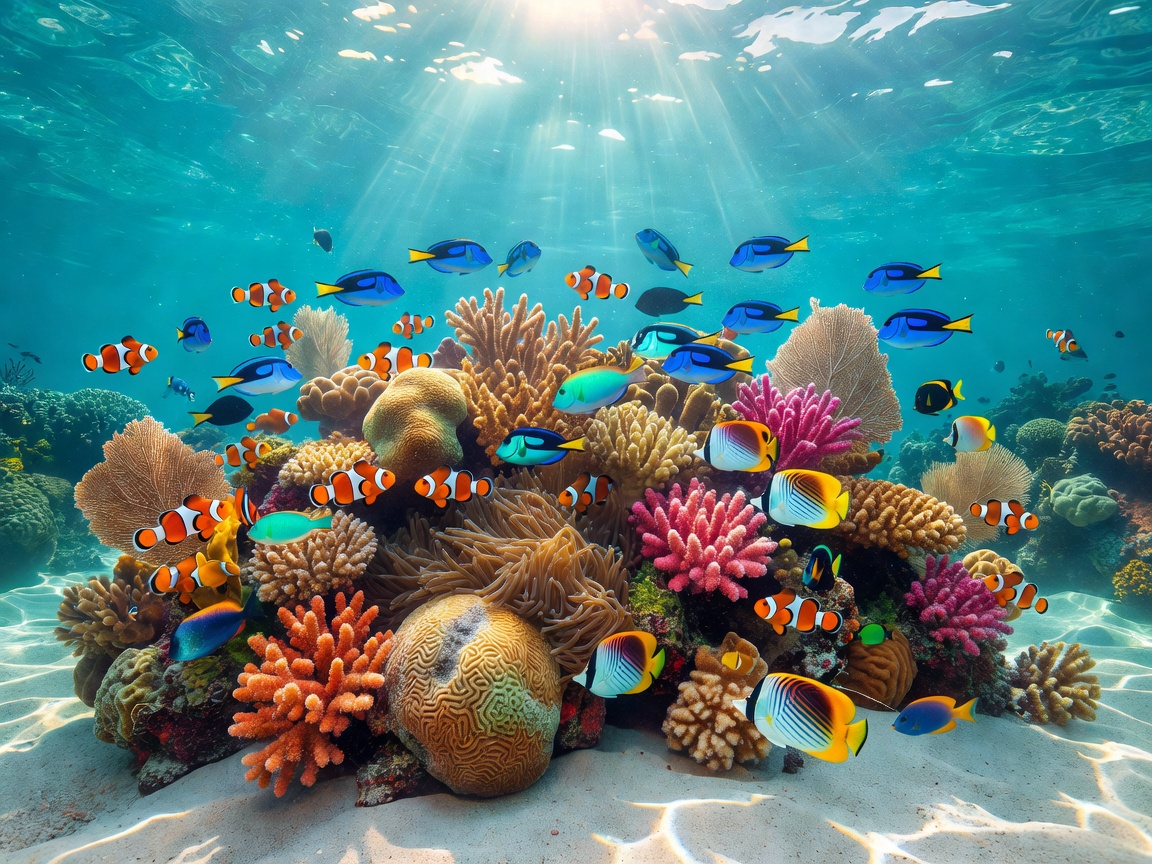
Constructing a habitable, overnight room beneath four to ten meters of ocean water presents some of the most complex structural challenges in modern hospitality architecture. Designers must contend with relentless hydrostatic pressure, tidal currents, saltwater corrosion, and marine life conservation.
To achieve optical clarity without risking structural failure, underwater suites like the Manta Room in Pemba Island or Conrad Rangali's Muraka utilize thick optical acrylic panes rather than tempered glass.
1. Hydrostatic Ballast & Seafloor Anchoring
Sub-sea structures experience immense positive buoyancy due to displacement. To anchor a multi-tier floating villa safely in a coral lagoon, massive tension cables are secured to non-destructive helical screw anchors bored deep into bedrock avoid harming delicate living coral systems.
2. Fresh Air Ventilation & Humidity Control
Sub-surface bedrooms require active dual-duct HVAC systems that constantly circulate fresh sea-breeze air from the surface level. Special dehumidifying chillers extract moisture created by human respiration, keeping the acrylic viewing panes completely fog-free.
3. Eco-Friendly Sub-Sea Lighting
Nighttime viewing relies on narrow-spectrum underwater LEDs positioned at strategic distances from the window frame. These wavelengths attract marine life like squid and octopus without disrupting natural reef bio-rhythms or spawning cycles.